

Posted by Drafting Equipment Warehouse on Oct 31st 2024
How to Choose the Perfect Drafting Table for Your Workspace
Drafting Table Guide
Updated: June 22, 2026
Learn how to choose the best drafting table for your space, workflow, and budget, including tabletop sizes, table styles, tilt and height adjustment, materials, and must-have accessories.
Choosing a drafting table can feel a little overwhelming at first. There are different sizes, styles, height options, materials, and features, and not every table is right for every user. The best drafting table for an architect may not be the best choice for an artist, hobbyist, student, or home office setup.
A good drafting table can make your workspace more comfortable, more functional, and easier to use for long stretches of drawing, drafting, sketching, crafting, or reviewing plans. The right table helps support your workflow instead of getting in the way of it.
This guide breaks down the key things to consider when choosing a drafting table, from measuring your space to comparing table styles, tilt options, materials, accessories, and realistic budget ranges.
One thing that has changed over the years is that not everyone who drafts needs a full-size drafting table. Many architecture students now choose portable drafting boards, while professionals, studios, universities, artists, and design firms still benefit from a sturdy full-size table.
What Is a Drafting Table?

A drafting table is a specialized workstation designed for technical, artistic, and creative work. Unlike a regular desk, a drafting table often includes a top that can tilt to a more comfortable working angle, which can reduce strain on the neck, shoulders, wrists, and back.
Drafting tables are used for more than traditional drafting. They can also work well for drawing, illustration, painting, crafting, tracing, reviewing plans, and other hands-on work that benefits from a larger adjustable surface.
For many users, a drafting table is less about looking official and more about making long work sessions a lot easier on the body.
Drafting Table or Portable Drafting Board?
For students, especially architecture students, a quality portable drafting board is often the most practical choice. Portable boards cost less, take up less space, and are easier to move between home, studio, and class.
For professionals, artists, universities, architecture firms, and anyone with a dedicated workspace, a drafting table provides a larger work surface, better stability, and a more comfortable long-term setup.
If you have the space and expect to spend several hours a week drafting, drawing, or designing, a drafting table is usually the better investment. If space is tight or the table needs to move often, start with a portable drafting board instead.
Step 1: Measure Your Space First
Before comparing models, start with the room itself. A drafting table may take up more space than you expect, especially once you factor in the tabletop overhang, chair clearance, walking room, and storage around it.
Best Options for Small Spaces
If you are working in an apartment, bedroom, dorm, or multipurpose room, a portable drafting board or foldaway drafting table may be the better fit.
- Easy to store when not in use
- Works well in compact rooms
- Good for occasional or flexible use
Trade-off: smaller and usually less stable than larger permanent tables.
Best Options for Larger Spaces
If you have a dedicated workspace, four-post and pedestal drafting tables usually provide a larger, sturdier, more permanent setup.
- Better stability for regular use
- Larger work surfaces
- Often available with more features and storage
Remember to measure the leg footprint and the top size, since the tabletop may extend beyond the base.
Step 2: Choose the Right Tabletop Size
The tabletop size affects how comfortably you can work. A table that is too small can feel cramped fast, especially if you need room for drawings, tools, books, or reference materials at the same time.
A few guidelines:
- Choose a tabletop that is slightly larger than your most common paper size
- Allow extra room for tools, scales, templates, and reference materials
- If you tend to spread out while working, go larger if space allows
Common drafting table sizes include: 24" x 36", 30" x 42", 37.5" x 48", 37.5" x 60", and 37.5" x 72".
What Size Drafting Table Do Professionals Use?
While smaller drafting tables work well for students, hobbyists, and home offices, professionals often prefer larger work surfaces.
The most popular professional drafting table size we sell is 37.5" x 60". The extra space makes it easier to work with larger drawings, reference materials, scales, templates, and project documents without feeling cramped.
If you expect to spend several hours a day at your drafting table, a larger work surface is usually worth the investment.
Step 3: Pick the Drafting Table Style That Fits Your Needs
Drafting tables come in several styles, and each one has strengths depending on how often you use it, how much space you have, and what kind of work you do.
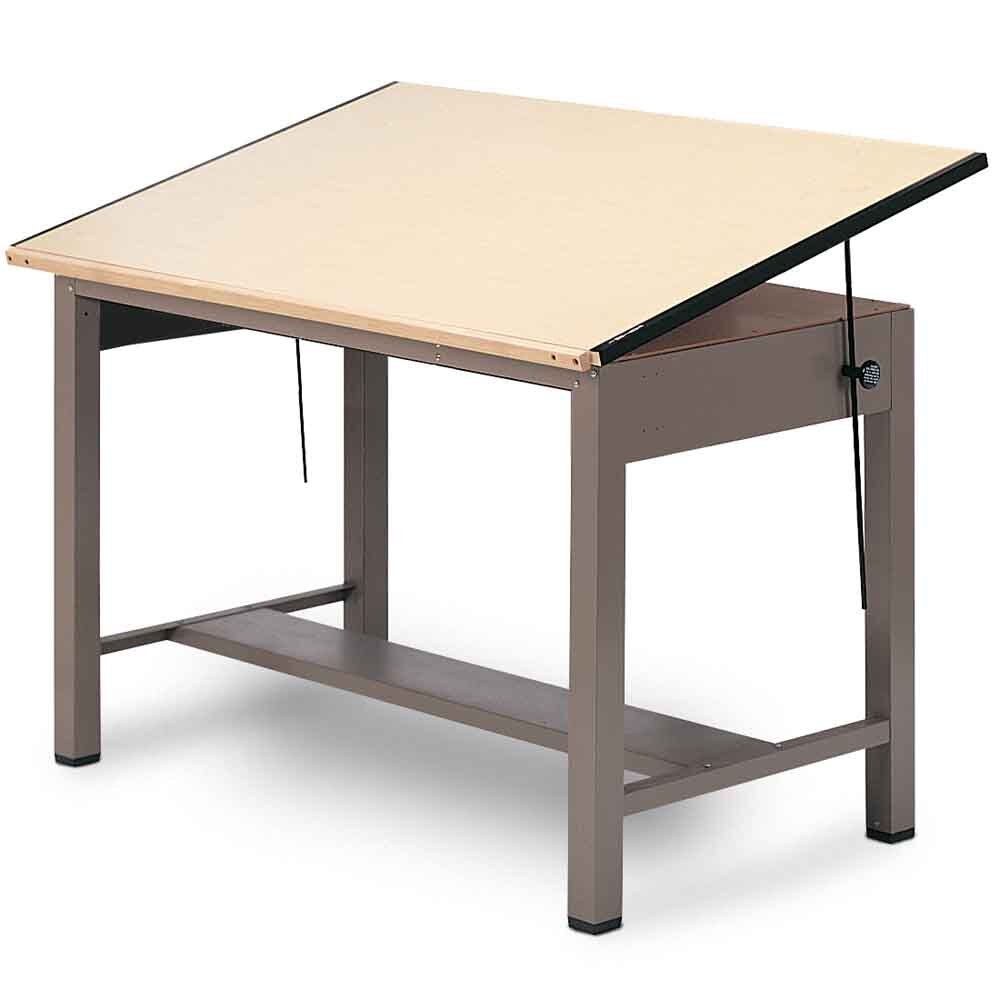
Four-Post Drafting Tables
Benefits: sturdy, stable, available with larger tops and storage options.
Drawbacks: bulky, heavier, and usually best for a dedicated workspace.
DEW note: The Safco Mayline Ranger remains our most popular professional four-post drafting table.

Pedestal Drafting Tables
Benefits: generous tilt range and often easier tilt adjustment.
Drawbacks: usually needs more room and a more permanent setup.
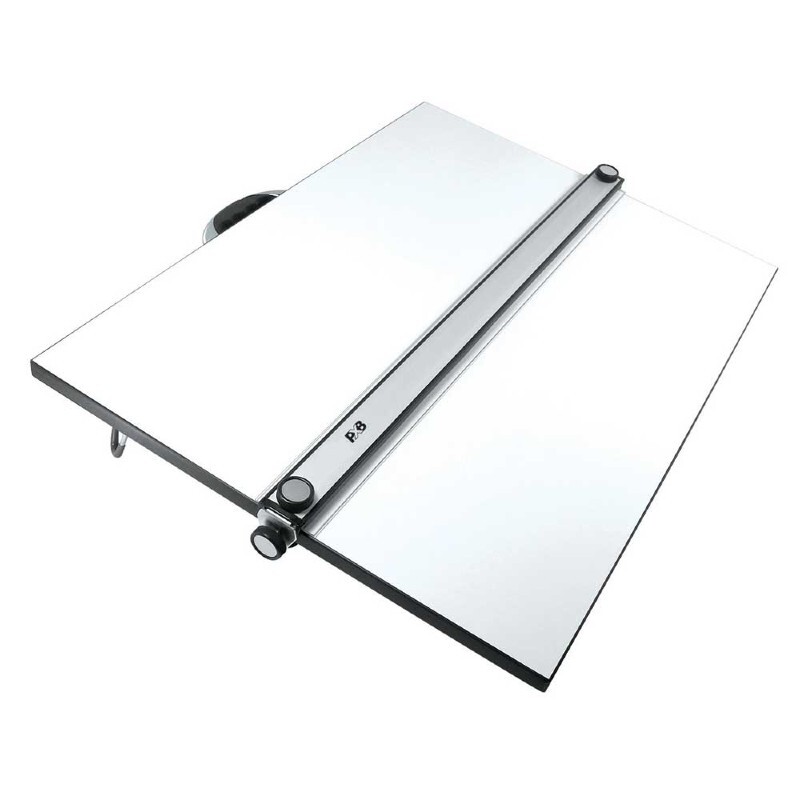
Portable Drafting Tables
Benefits: lightweight, compact, easy to carry, good for mobile or occasional use.
Drawbacks: limited surface area and usually less stability than full-size tables.
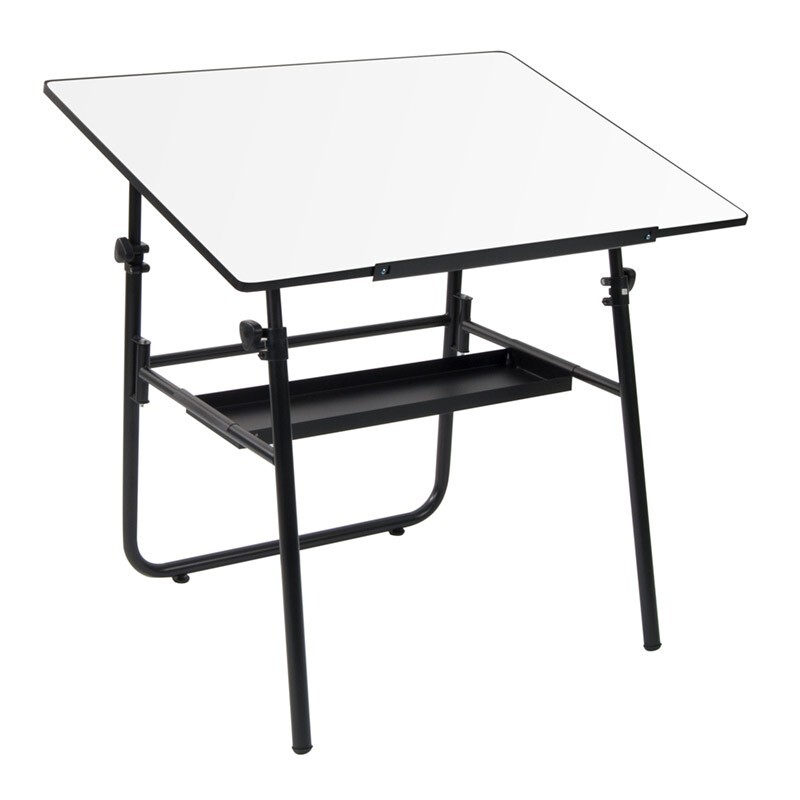
Fold-Away Drafting Tables
Benefits: space-saving, portable, and often more budget friendly.
Drawbacks: usually smaller and less stable for heavier-duty work.
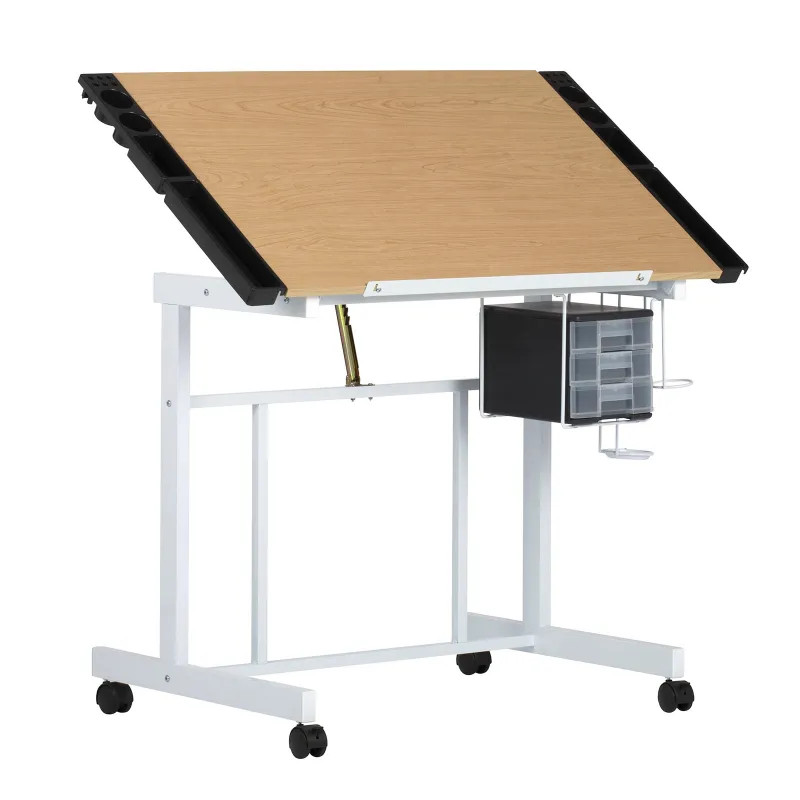
Craft and Hobby Tables
Benefits: compact, often includes storage, and works well for many creative hobbies.
Drawbacks: rounded corners or shape may make attaching a parallel bar more difficult.
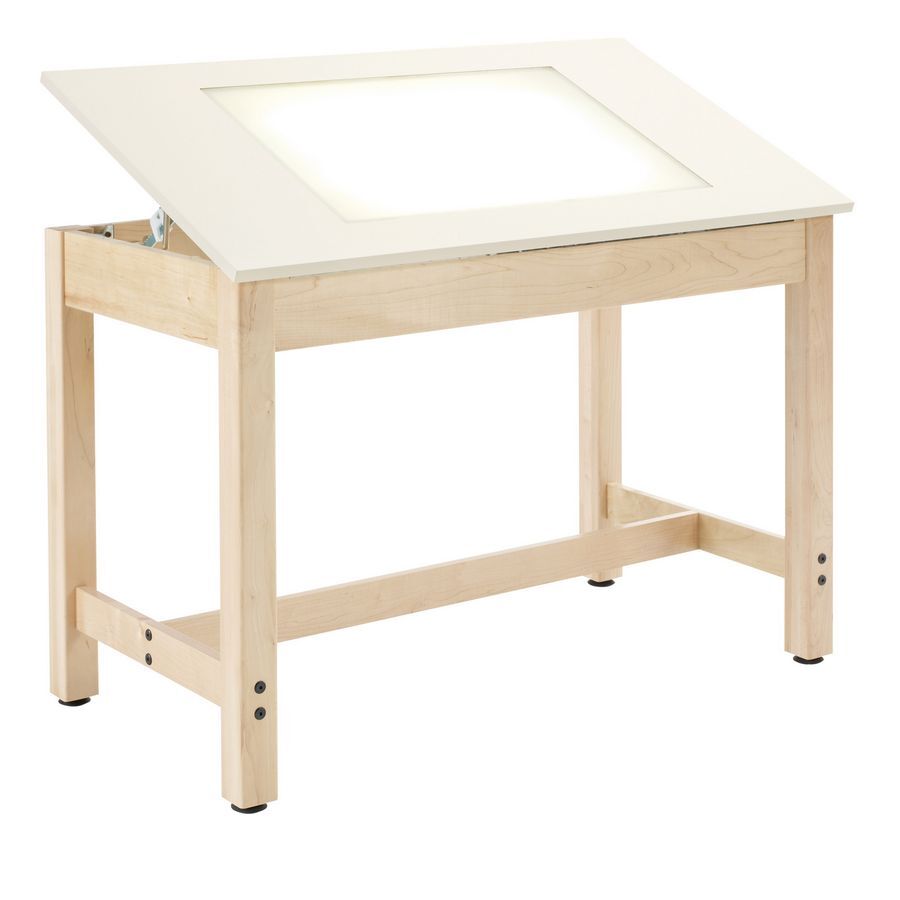
Light Tables
Benefits: backlit surface for tracing, layering, and light-table work.
Drawbacks: more specialized, often expensive, and not always suited for general drafting tasks.
Step 4: Consider the Tilt Adjustment
The tilt mechanism can make a big difference in comfort. Some drafting tables have preset tilt positions, while others offer a smoother range of adjustment through more advanced mechanisms.
Why tilt matters: A better working angle can reduce strain on your neck and back and make it easier to draw, trace, sketch, or review plans for longer periods.
If you spend a lot of time at the table, multiple tilt settings or continuous adjustment can be well worth it.
Step 5: Decide Whether You Need Height Adjustability
Height adjustment can be a major benefit, especially for users who want to alternate between sitting and standing or who share the table with someone else.
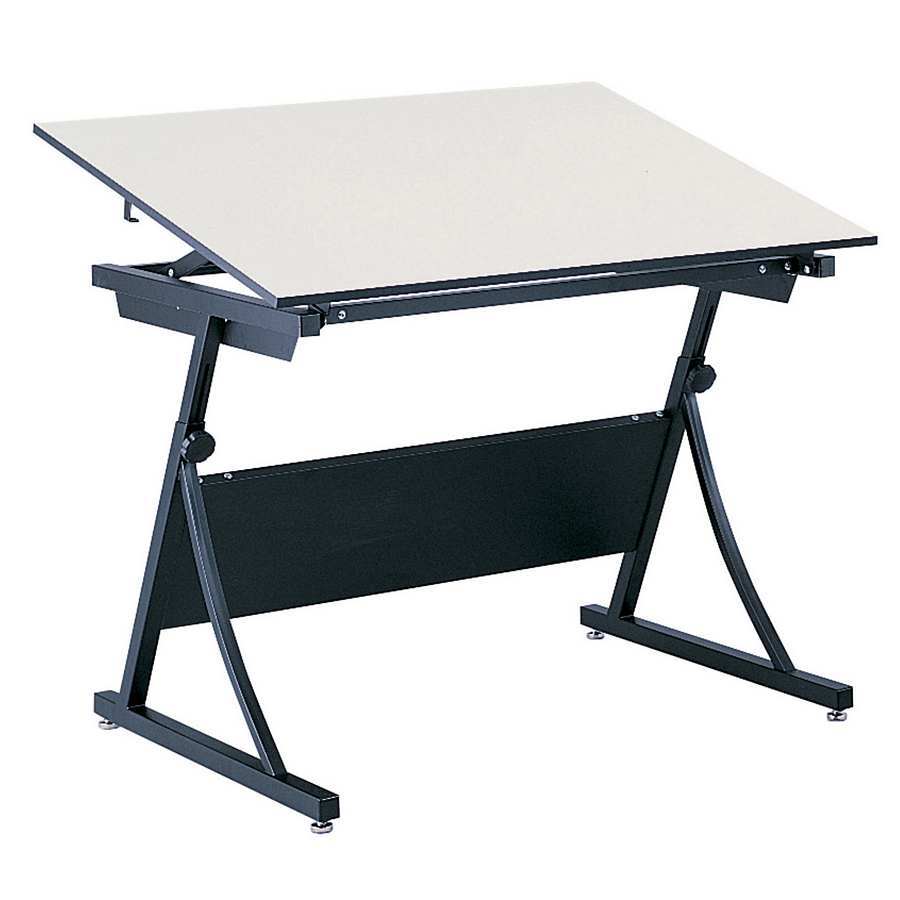
Sit-to-Stand Adjustable Height
Best for users who want maximum flexibility and the option to switch positions throughout the day.
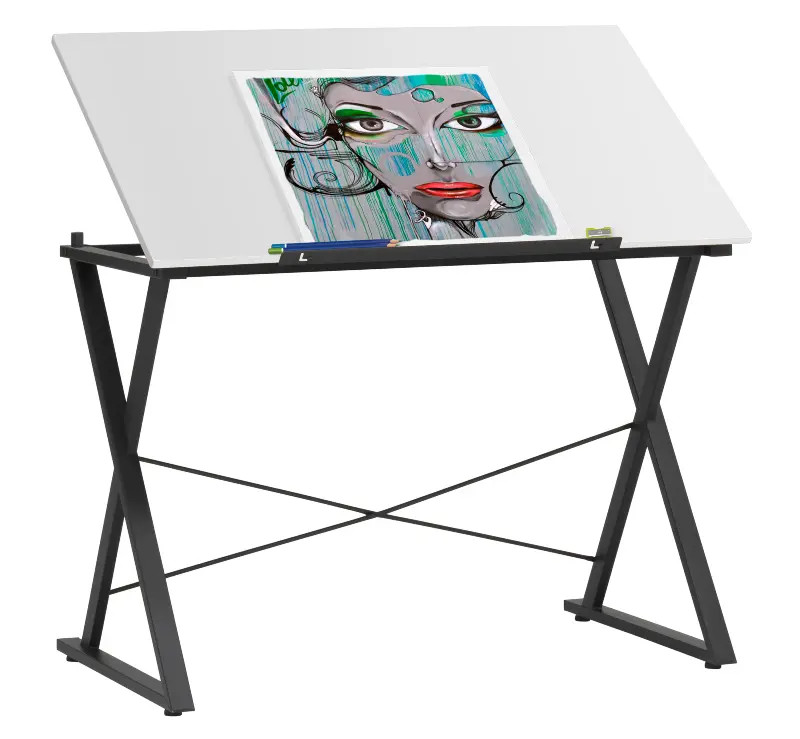
30 Inch Sitting Height
A more traditional office-style height that works well with many chairs and standard seated workflows.
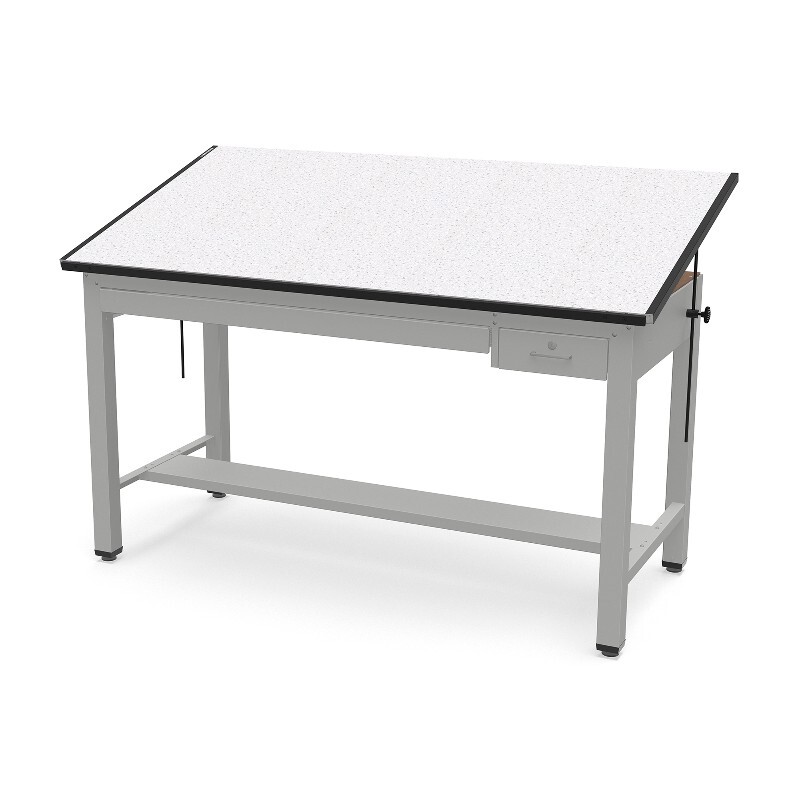
37 Inch Standing Height
Useful for users who prefer a taller drafting setup or work best from a standing or stool-height position.
Step 6: Compare Materials and Durability
Drafting tables are made from a range of materials, and each one affects appearance, durability, maintenance, and overall feel.
Wood Drafting Tables
Classic looking, stable, and a good fit for traditional studios and workspaces.
Metal Drafting Tables
Usually durable and modern looking, with a more industrial or contemporary feel.
Laminate and Glass Tops
Smooth and easy to clean, though some users may prefer adding a protective board cover for drafting work.
Choose the material that best matches your workspace, your style, and the kind of work you plan to do most often.
Step 7: Add the Right Drafting Table Accessories
The table is only part of the setup. The right accessories can make your workspace more comfortable, more accurate, and more enjoyable to use.
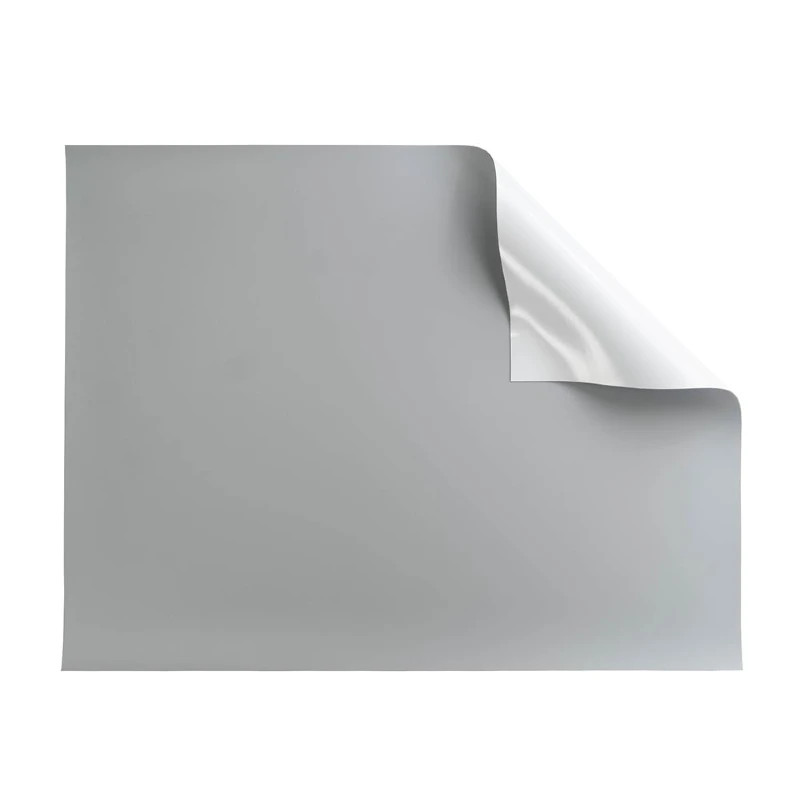
Drawing Board Cover
Helps protect the tabletop from wear, marks, cuts, and general abuse. A small upgrade that can make a big difference over time.
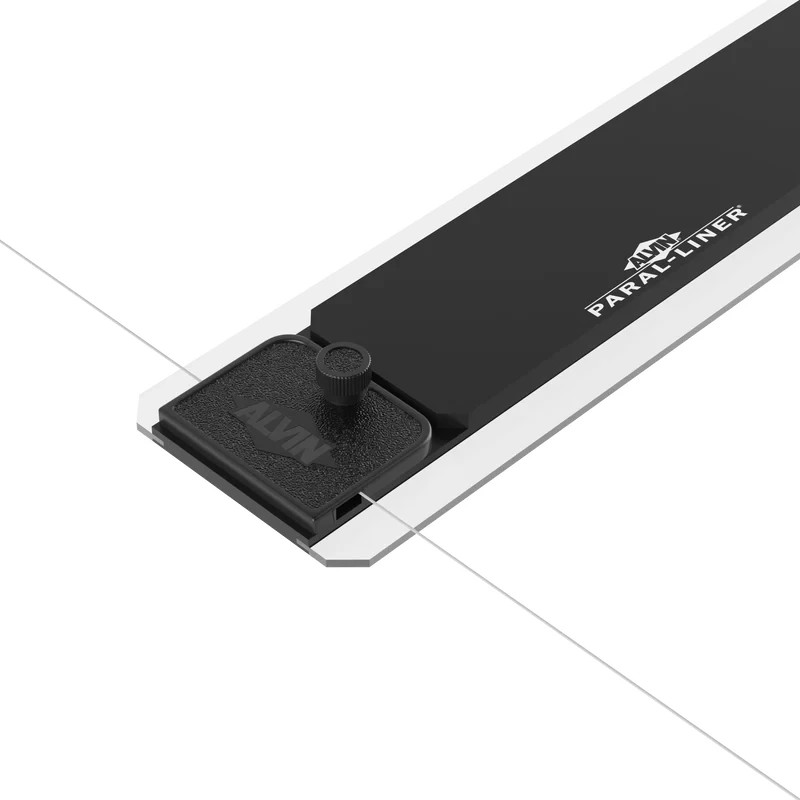
Drafting Parallel Bar
A key accessory for users who need clean, accurate straight lines and more traditional drafting functionality.
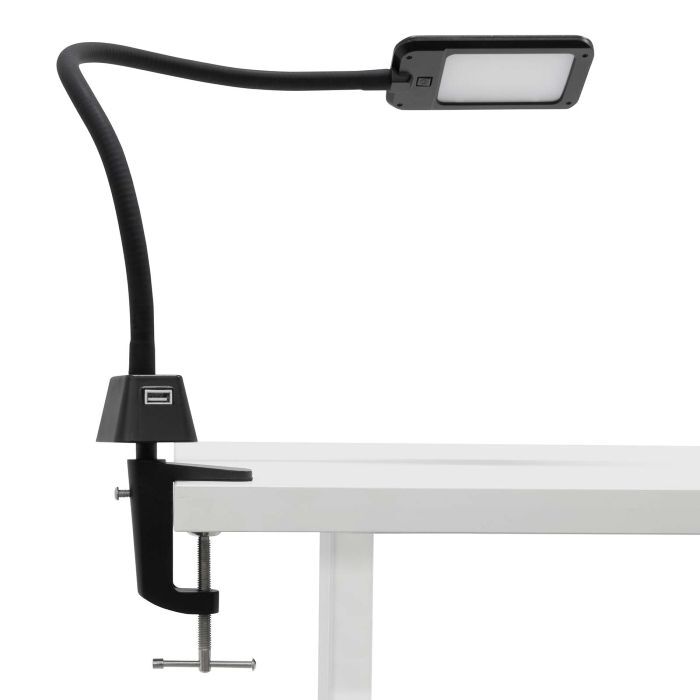
Drafting Lamp
Focused lighting helps with detail work and can make long sessions more comfortable, especially in dimmer rooms.
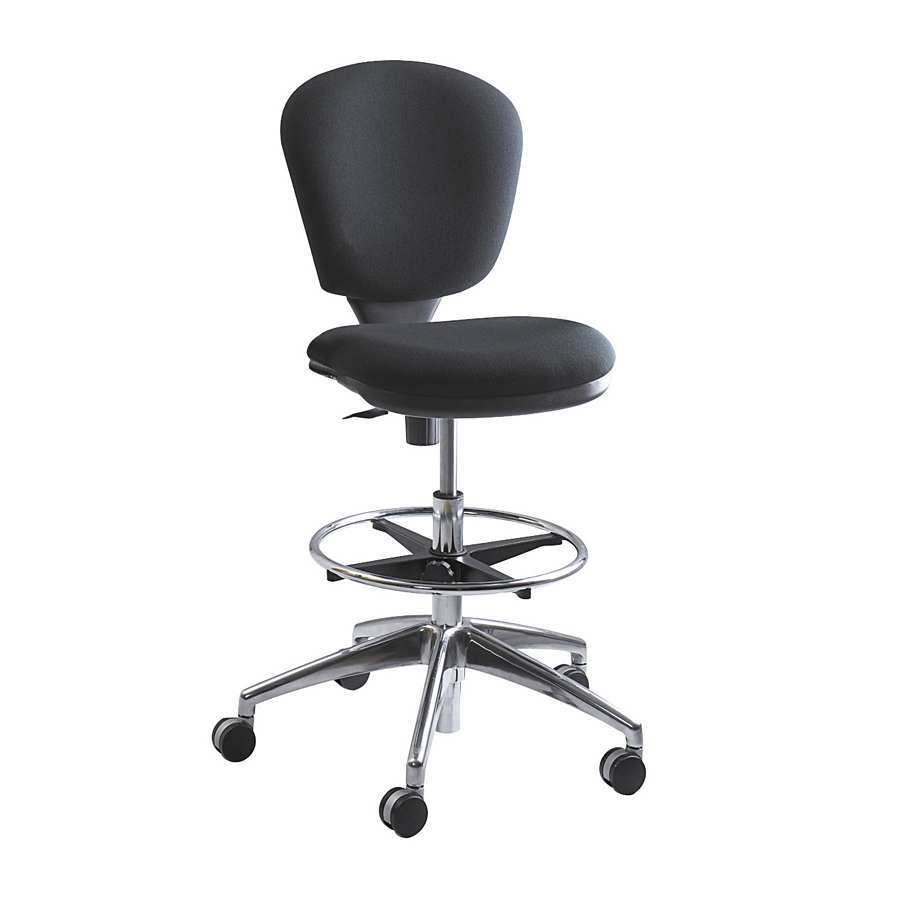
Drafting Chair or Stool
Adjustable seating helps complete the ergonomic setup, especially when paired with a taller or adjustable-height table.
DEW note: The Safco Metro Drafting Chair is our most popular drafting chair and pairs well with traditional drafting table heights.
Step 8: Set a Realistic Budget
Drafting tables vary widely in price depending on size, style, materials, brand, and included features. Budget models can work well for beginners or occasional use, while professionals often benefit from investing in a table with better stability, durability, and ergonomic performance.
After helping customers choose drafting tables for more than 30 years, the biggest mistake we see is trying to save money by purchasing a table that is not sturdy enough for the intended use.
A drafting table may look similar in photos, but stability matters. A table that wobbles, flexes, or shifts while you are working quickly becomes frustrating to use.
If your budget allows, we generally recommend purchasing the most stable table you can reasonably afford. Most customers are happier upgrading once than replacing a lightweight table a few years later.
Our Drafting Table Recommendations by Budget
Best Drafting Table Under $300
For home offices, hobbyists, artists, and casual drafting work, we often recommend the Studio Designs Vintage Wood Drafting Table. It offers a traditional drafting table look and works especially well in home environments where appearance matters as much as functionality.
Best Drafting Table Around $600
The Studio Designs Graphix II Workstation is one of our favorite mid-range options. It offers a larger work surface and additional storage while remaining affordable for many students, artists, and design professionals.
Best Professional Drafting Table Over $1,200
For professional studios, universities, architects, and engineering offices, our top recommendation remains the Safco Mayline Ranger 4-Post Drafting Table.
We still use a Ranger in our own office that is more than 20 years old. The large work surface, heavy-duty steel frame, and long-term durability are why it continues to be our best-selling professional drafting table.
Quick Recommendations by User Type
- Architecture students: Start with a portable drafting board unless you have the space and budget for a full-size table.
- Home office and hobby use: Consider the Studio Designs Vintage Wood Drafting Table.
- Artists and designers: Consider the Studio Designs Graphix II Workstation for a larger mid-range setup.
- Professional architects, engineers, and universities: Choose the Safco Mayline Ranger 4-Post Drafting Table.
- Drafting table seating: Pair taller drafting tables with a proper drafting chair, such as the Safco Metro Drafting Chair.
Drafting Table Buying Checklist
- Space: Do you need a permanent table, a portable board, or a foldaway option?
- Top size: Will the surface fit your paper, tools, and reference materials comfortably?
- Tilt: Does the table offer enough angle adjustment for your work style?
- Height: Do you want sitting height, standing height, or adjustable height flexibility?
- Material: Which material fits your style, maintenance preferences, and workload?
- Accessories: Will you need a board cover, parallel bar, lamp, or drafting stool?
- Budget: Which features are must-haves and which ones are nice extras?
Ready to Find the Right Drafting Table?
Build a Workspace That Works for You
The right drafting table can make your work more comfortable, more organized, and more enjoyable, whether you are drafting every day or just starting to set up your space.
Explore drafting tables, chairs, and accessories to create a workspace that fits your projects, your room, and your workflow.
Shop drafting tables | Shop portable drafting boards | Shop drafting chairs and stools